Geckos
Requirements
Age: 6–8 years old
Completed Class: N/A
Skill Sets
Safety
- Crumple Jumps
- Gym Rules
- Listening to Coaches/Desk Staff
- Awareness of other climbers
Movement
- Footwork
- Moving feet up/using feet more
- Balance
- Balancing on large foot holds
(using one foot) - Body Positioning
- Being aware of where limbs are and how to use them all
Problem Solving
- Following one route/one colour
Confidence Building
- Overcoming fear of heights
- Confidence falling on boulder wall
Teamwork
- Encouraging each other to keep trying
Identifying Climbing Basics
- Hold Types
- Identifying starts and finishes of climbs
- Gear Terminology
- Locking/non-locking carabiners
- Shoes and harness
Strength & Endurance
- Getting to the top of a climb with one colour
Goal Setting
- Helping create goals for them
| Skill | Project | Redpoint | Onsite |
|---|---|---|---|
| Footwork | Infrequently moves feet up to make moves easier, relies on the coach to know when to move their feet. | Often moves feet up to make moves easier, some help required from the coach. Starting to understand the importance of bringing feet up. | Often moves feet up independently to make moves easier. Understand the importance of bringing feet up, may start to use toes while climbing. |
| Balance | Hesitant to balance on large footholds, relies heavily on hands while climbing. | Attempts to balance on large footholds, may be hesitant, but keeps trying. | Confidently balances on large footholds, attempts to balance on smaller footholds, may fall when balancing, but keeps trying. |
| Body Positioning | Developing awareness of body positioning while climbing, relies on the coach to find different positions to make moves easier. | Awareness of body positioning most of the time while climbing, is starting to try different positions to make moves easier with coach help. | Full awareness of body positioning while climbing, can find different positions to make moves easier, may start using straight arms to improve efficiency. |
| Problem Solving | Often rainbow climbs, does not attempt to follow one route. | Attempts to follow one route, understands that each route is marked by a single color, may rainbow occasionally. | Always follows one route and may start to make a plan before climbing with coach assistance. |
| Confidence | Infrequently attempts to climb higher on routes, hesitant to fall on bouldering walls. | May not reach the top, but is showing improvement in confidence on the wall, attempts to climb higher on bouldering walls, but may be hesitant to fall. | Can reach the top of the wall, and is comfortable falling on bouldering walls, can attempt boulders at any height. |
| Teamwork | Rarely participates in group activities, does not offer help to teammates when needed, struggles to work with others. | Supportive of other climbers, usually participates in group activities, sometimes offers help to teammates when needed, able to work with others most of the time. | Supportive of other climbers, participates in group activities, offers help to teammates when needed, able to work well with others. |
| Climbing Basics | Unable to identify the names of climbing holds, grades of climbs and their starts and finishes, and gear terminology. | Able to identify the names of climbing holds, grades of climbs and their starts and finishes, and gear terminology. | Able to identify the names of climbing holds, grades of climbs and their starts and finishes, and gear terminology. Uses this terminology when referring to gear and reading routes. |
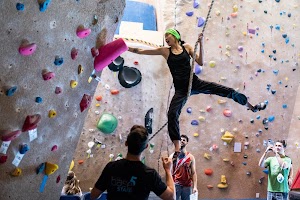
Register Now This class is an introduction to climbing, aimed to start developing foundations of climbing safety and technique.
Full Curriculum PDF Learn more about the Intentions and Prerequisites behind our programming.


Squirrels
Requirements
Age: 7–8 years old
Completed Class: Geckos (2 times through)
Consistently demonstrates appropriate behavior in class settings
Skill Sets
Safety
- Crumple Jumps
- Gym Rules
- Listening to Coaches/Desk Staff
- Awareness of other climbers
- Tying figure 8 knot
Movement
- Footwork
- Using toes
- Stepping on smaller holds
- Balance
- Balancing on smaller footholds
- Coordination
- Static vs. dynamic movements
- Moving two hands at once
- Agility/Reaction
- Speed climbing (autobelay races)
- Body Positioning
- Straight arms
Problem-Solving
- Basic route reading: having a plan before you climb
Confidence Building
- Overcoming fear of heights
Confidence falling on boulder wall
Teamwork
- Figuring out climbs as a group with coach guiding discussion
Identifying Climbing Basics
- Hold Types (Advanced: How to use holds ie. being below a sloper)
- Route Reading (start and end of climbs, grades)
- Gear Terminology/Equipment use
- Locking/Non-locking carabiners
- Harness, shoes, chalk bag (importance and how to use)
- Advanced: gri-gris and ATCs
- Using directionals, unclipping quickdraws
Strength & Endurance
- Trying harder routes
Goal Setting
- Helping create goals for them
| Skill | Project | Redpoint | Onsite |
|---|---|---|---|
| Footwork | Does not use or rarely uses toes, mostly uses the side of the foot to climb, avoids using small footholds, may forget to use feet or move them up. | Uses toes most of the time, may sometimes use the side of the foot, attempts to step on small footholds, may be hesitant. | Able to use toes to climb and confidently uses small footholds. |
| Balance | Finds balancing on large footholds challenging. | Attempts to balance on large footholds, may be hesitant. | Confidently balances on large footholds, may fall but keeps trying, attempts to balance on medium footholds. |
| Coordination | Developing when and how to use static and dynamic moves, finds it challenging to move dynamically with coach instruction. | Knows the difference between static and dynamic moves, attempts to move dynamically with coach instruction, may be hesitant or not fully commit to the move. | Understands when and how to use static and dynamic moves, attempts to move dynamically without coach instruction. |
| Body Positioning | Is developing how to use straight arms while climbing, often climbs with bent arms, may not try different positions to make moves easier with coach help. | Sometimes uses straight arms while climbing, can find different positions to make moves easier with coach help. | Usually uses straight arms while climbing, can find different positions to make moves easier without coach help. |
| Problem-Solving | Finds it challenging to create a plan for a route with coach assistance, struggles to identify doable but challenging climbs/moves, rarely makes small changes on the wall.Finds it challenging to create a plan for a route with coach assistance, struggles to identify doable but challenging climbs/moves, rarely makes small changes on the wall. | Able to create a plan for a route with coach assistance, sometimes makes small changes on the wall, able to identify challenging climbs/moves. | Able to create a plan for a route and follow through with that plan with coach assistance, often makes small changes on the wall, able to identify challenging climbs/moves confidently. |
| Confidence | Does not attempt to climb higher on routes, very hesitant to fall on bouldering walls. | May not reach the top, but is showing improvement in confidence on the wall, attempts to climb higher on bouldering walls, but may be hesitant to fall. | Can reach the top of the wall, and is comfortable falling on bouldering walls, can attempt boulders at any height. |
| Teamwork | Does not participate in group activities, does not offer help to teammates when needed, struggles to work with others. | Supportive of other climbers, participates in group activities, sometimes offers help to teammates when needed, able to work with others. | Supportive of other climbers, participates in group activities, offers help to teammates when needed, able to work well with others. |
| Climbing Basics | Unable to identify the names of climbing holds, grades of climbs and their starts and finishes, and gear terminology. | Able to identify the names of climbing holds, grades of climbs and their starts and finishes, and gear terminology. | Able to identify the names of climbing holds, grades of climbs and their starts and finishes, and gear terminology. Uses this terminology unprompted when referring to gear and reading routes. |
Register Now This class refines in depth skill sets that build on climbing basics developed in geckos.
Full Curriculum PDF Learn more about the intentions and prerequisites behind our programming.


Spiders
Requirements
Age: 9–12 years old
Completed Class: N/A
Skill Sets
Safety
- Belaying/knot tying
- Crumple jump
- Following gym rules
Movement
- Footwork
- Using toes while climbing
- Advanced: dropping the heel
- Smearing
- Foot matching
- Balance
- Slab climbing
- Blindfolded climbing
- Coordination
- Dyno’s vs Static climbing
- Deadpoint vs Dyno
- Runners
- Try to move hand & foot at same time
- Slab, hands behind the back
- Dyno’s vs Static climbing
- Agility/Reaction
- Speed climbing (moving hand and foot together)
- Body Positioning
- Flagging
- Triangles
- Straight arms
- Advanced: Heel/toe hooks
Problem-Solving
- Route Reading
- Identifying moves they can do, but require more tries
Confidence Building
- Overcoming fear of heights
- Confidence in belaying/knot tying
- Going for hard moves (Commitment)
Teamwork
- Partner checks
- Trusting climbing partner
- Figuring out climbs with partner
- Emphasize communication between belay partners for safety.
- Advanced: if kids have repeated the class, they start to help teach skills
Identifying Climbing Basics
- Hold Types (Advanced: how to use holds/orientation of holds)
- Route Reading: Grades, starts and finishes
- Gear Terminology
- Locking/Non-locking carabiners
- Anchor
- Gri-Gri (Advanced: show them an ATC, but they can’t use it)
- Know terms “figure-8 knot”, break rope, lower, take, boulder, route.
- Don’t have to necessarily teach directly, but the kids should have a good idea of these terms.
- Locking/Non-locking carabiners
- Projecting
Strength & Endurance
- Fewer rests/takes on routes
- Active resting and chalking
Goal Setting
- Setting goals to achieve during 12 week class
Warm-Up
- Introduce idea of warming up
- Importance to prepare the body to be active and prevent injury
| Skill | Project | Redpoint | Onsite |
|---|---|---|---|
| Footwork | Is developing the ability to match feet on small footholds, does not know how to smear effectively, rarely uses toe’s while climbing. | Able to match feet on small footholds most of the time, knows how and sometimes when to smear effectively, uses toe’s most of the time while climbing. | Confidently matches feet on small footholds, knows how and when to smear effectively, Always uses toe’s while climbing. |
| Balance | Is developing the ability to maintain balance on medium footholds and relies heavily on hands. | Maintains balance on medium footholds most of the time, uses hands and feet effectively. | Comfortable balancing on large volumes and medium footholds on slab, uses hands and feet effectively. |
| Coordination | Is developing the ability to identify when to use dynamic vs. static climbing, struggles to move both hands at the same time. | Able to identify and use static and dynamic climbing, sometimes completes dynos successfully, able to move both hands at the same time. | Confidently knows when and how to use static vs. dynamic climbing, dynos are mostly done successfully, can move hands and feet together. |
| Body Positioning | Is developing the ability to know how and when to flag, does not try to use triangles to maintain balance while climbing, rarely uses straight arms while climbing to conserve energy. | Knows how to flag and sometimes uses it, understands benefits of forming triangles while climbing and tries to use it, usually uses straight arms effectively to conserve energy. | Consistently and effectively uses flagging, forms triangles almost always while climbing, always maintains straight arms effectively to conserve energy. |
| Warm Up | Does not understand the importance of warming up, unwilling to warm up with help from the coach each session. Struggles to help with group warm up. | Understands the importance of warming up, and can warm up with help from the coach each session. Sometimes helps with group warm up. | Understands the importance of warming up, and can warm up with little help from the coach each session. Comfortable leading group warm up. |
| Problem-Solving | Is developing the ability to route read, struggles to make small changes on the wall, struggles to identify doable but challenging climbs/moves, does not have a plan to complete them. | Reads routes and has a plan to complete them with coach assistance, usually sticks to their plan, sometimes makes small changes on the wall, identifies challenging climbs/moves confidently. | Reads routes and has a plan to complete them without coach assistance, consistently follows their plan, makes small changes on the wall, identifies challenging climbs/moves confidently. |
| Confidence | Does not attempt to climb higher, lacks confidence and does not attempt to improve, does not try to fall on bouldering walls. | Can reach the top, may show some hesitation, but is growing more confident, can confidently fall on the bouldering walls, can attempt boulders at any height. | Can reach the top with little hesitation, can confidently fall on the bouldering walls, can attempt boulders at any height. |
| Teamwork | Does not participate in group activities, does not offer help to teammates when needed, struggles to work with others to read climbs, rarely does partner checks. | Supportive of other climbers, participates in group activities, sometimes offers help to teammates when needed, able to work with others to read climbs, does partner checks most of the time. | Supportive of other climbers, participates in group activities, offers help to teammates when needed, able to work well with others to read climbs. Always completes partner checks. |
| Climbing Basics | Unable to identify gear and hold types, rarely uses climbing terminology. | Able to identify most gear and hold types, uses climbing terminology most of the time. | Able to identify all gear and hold types, and confidently uses climbing terminology. |
| Strength & Endurance | Has shown minimal improvement in strength and endurance throughout the course. | Has shown consistent improvement in strength and endurance throughout the course. | Has shown a high level of consistent improvement in strength and endurance throughout the course. |
Register Now This class introduces top rope belaying, and develops more complex technical skills and climbing knowledge.
Full Curriculum PDF Learn more about the intentions and prerequisites behind our programming.


Monkeys
Requirements
Age: 10–13 years old
Completed Class: Spiders (2 times min)
Coach Recommendation Needed
Motivation/Passion
- Excited to climb and be there
- Challenges themselves, tries hard every class
- Positive self talk
Safety
- Can belay safely without constant supervision, always staff checks
- Comfortable falling on boulder walls
- Always listens to coaches and other staff members
- Good awareness of other climbers in the gym
- Can have fun without it impacting climbing harmfully
- Does not get overly upset when something does not go their way
Movement
- Footwork
- Uses toes
- Can demonstrate basic foot matching
- Balance
- Can balance on large footholds on slab
- Able to trust feet on challenging moves
- Coordination
- Understands the difference between dynamic vs. static climbing
- Challenges themself to try more dynamic moves
- Understands the difference between dynamic vs. static climbing
- Body Positioning
- Understands the importance of and when to utilize flagging and triangles
- Straight arms
- Uses straight arms consistently
- Understands the importance of and when to utilize flagging and triangles
Problem solving
- Able to find alternate solutions to climbs
- Asks for help from coaches/peers when they are struggling
Confidence building
- Able to go out of their comfort zone
- Commits to difficult moves
Teamwork
- Encourages other climbers
- Works well with others
Identifying Climbing Basics
- Can Identify hold types, grades, starts
Strength/Endurance
- Can get to the top of all walls following one color
- Has shown improvement strength and endurance throughout the course
Goal Setting
- Can set reasonable goals and show improvement on achieving them
Warm-Up
- Introduce idea of warming up
- Importance to prepare the body to be active and prevent injury
Skill Sets
Safety
- Good Belaying/Knot Tying (Giving more slack to climber/less rope assistance)
- Gym rules
- Listening to coaches/desk staff
Movement
- Footwork
- Pivoting
- In depth footmatching, switching feet on slab
- Keeping feet on during overhang (not footcutting)
- Balance
- Standing on dual-tex
- Slab practice/holding slopers
- Coordination
- Moving hands + feet at same time (Dynos)
- Identify when they need to dynos vs static climb
- Agility/Reaction (Need to research more)
- Confidence to move quickly between holds
- Body Positioning
- Drop knees
- Toe hooks and heel hooks
Problem Solving
- Reading routes/boulders (following through on how to do the climb)
- Finding alternate beta for climbs they can’t do
Confidence Building
- Confidence on wall while climbing
- Dyno’s
- Challenging themselves, committing
Teamwork
- Helping and mentoring others, giving beta advice
- Can figure out climbs together with little help from the coach
- Advanced: if athletes have repeated the class, they start to help teach skills
Identifying Climbing Basics
- Positioning of holds and how it affects the climb
- Best spot to put feet on volumes
- Gear/Climbing Terminology
- Flash, redpoint, project, onsite, crux
- Name of any gear they use and understand its importance to safety
- Climbing styles
- Technical, powerful, dynamic
Strength/Endurance
-
Projecting hard climbs
Goal Setting
-
Setting goals to achieve during 12 week class
Warm-Up
- Components of warm-ups
- Cardio
- Dynamic stretching
- Climbing warm-up
- Work towards be able to warm up independently
| Skill | Project | Redpoint | Onsite |
|---|---|---|---|
| Footwork | Is developing the ability to match feet on small footholds, does not show control when cutting feet on overhang, uncomfortable pivoting on feet. | Able to match feet on small footholds, shows some control when cutting feet on overhang, attempts to pivot on feet. | Able to match feet on small footholds on slab, can execute controlled foot cuts on overhang, comfortable pivoting on feet. |
| Balance | Is developing the ability to balance on large volumes and medium footholds on slab, unable to move on easy slabs with no hands. | Comfortable balancing on large volumes and medium footholds on slab, able to move on easy slabs with no hands. | Comfortable balancing on sloped volumes and small footholds on slab, and moving on to challenging slabs with no hands. |
| Coordination | Does not understand when to utilize static vs. dynamic movements and struggles to utilize them with coach instruction, uncomfortable performing double dynos with coach instruction. | Understands when to utilize static vs. dynamic movements and utilizes them with coach instruction, towards, comfortable performing double dynos with coach instruction. | Understands when to use static vs. dynamic movements and utilizes them without coach instruction, comfortable performing double dynos without coach instruction. |
| Body Positioning | Does not understand when to use toe hooks, heel hooks, and drop knees, and struggles to utilize them while climbing with coach instruction. | Understands when to use toe hooks, heel hooks, and drop knees, and utilizes them while climbing with coach instruction. | Understands when to use toe hooks, heel hooks, and drop knees, and utilizes them while climbing without coach instruction. |
| Problem-Solving | Unable to read routes at project level with help from coach, cannot make small changes on the wall. | Able to read routes at project level with help from coach, can make small changes on the wall. | Able to read routes at project level without help from coach, can make small changes on the wall. |
| Confidence | Is developing the ability to commit to hard moves on boulders and routes, gives up easily, does not try hard routes if not prompted by the coach. | Usually commits to hard moves on boulders and routes, does not give up easily, often tries hard routes unprompted by the coach. | Consistently commits to hard moves on boulders and routes, does not give up easily, often tries hard routes and challenges themself to improve. |
| Teamwork | Does not participate in group activities, Does not offer help to teammates when needed, struggles to work with others to read climbs, sometimes does partner checks. | Supportive of other climbers, participates in group activities, sometimes offers help to teammates when needed, able to work with others to read climbs. Always does partner checks. | Supportive of other climbers, participates in group activities, offers help to teammates when needed, able to work well with others to read climbs. Always does partner checks. |
| Warm Up | Does not understand the components of a proper warm up. Can warm up with help from the coach each session. Sometimes helps with group warm up. | Understands the components of a proper warm up. Can warm up independently from the coach each session. Often helps with group warm up. | Understands the importance of warming up. Can warm up independently from the coach each session. Comfortable leading group warm up. |
| Climbing Basics | Does not understand how to position hands/feet on each hold type, unable to utilize it with coach instruction, does not understand most gear and climbing terminology, and differences in climbing styles. | Understands how to position hands/feet on each hold type, can utilize it with occasional coach instruction, Understands most gear and climbing terminology, and differences in climbing styles. | Understands how to position hands/feet on each hold type, and utilizes it without coach instruction, Understands gear and climbing terminology, and differences in climbing styles. Understands how to position hands/feet on each hold type, and utilizes it without coach instruction, Understands gear and climbing terminology, and differences in climbing styles. |
| Strength & Endurance | Has shown minimal improvement in strength and endurance throughout the course. | Has shown consistent improvement in strength and endurance throughout the course. | Has shown a high level of consistent improvement in strength and endurance throughout the course. |
Register Now This class is for athletes that are passionate about improving their climbing skills. It focuses on further developing climbing technique, strength, and problem solving with more structured and individualized coaching.
Full Curriculum PDF Learn more about the intentions and prerequisites behind our programming.